


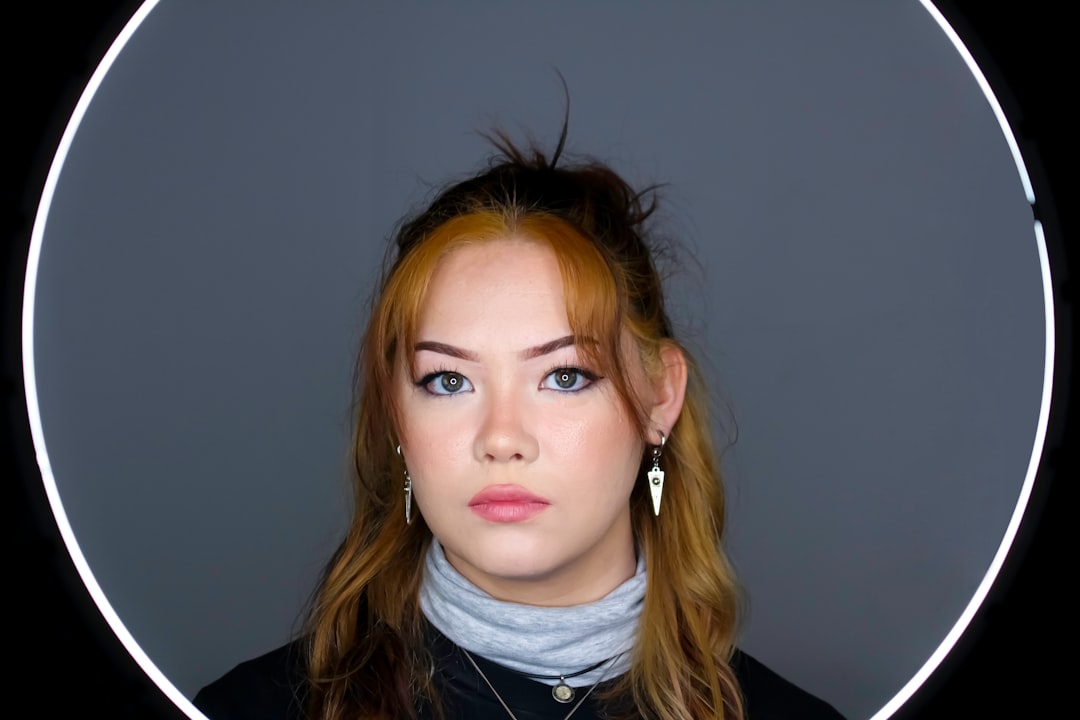
Professional portraits used to sit behind several barriers at once: cost, scheduling, location, camera quality, and access to a skilled photographer. For many people, that meant using outdated selfies, cropped group photos, or low-resolution pictures on LinkedIn, company websites, speaker bios, and portfolios. Today, AI headshot generators are changing that equation. By combining image enhancement, facial analysis, style matching, and studio-like rendering, these tools make polished portraits available to a much wider audience. As a result, high-quality headshots are no longer a luxury reserved for executives, actors, or large companies with dedicated marketing budgets.
This shift matters because a strong portrait has real professional value. It shapes first impressions, supports personal branding, and adds credibility across digital platforms. When AI makes that process faster, more affordable, and easier to customize, it helps individuals and businesses present themselves with greater confidence and consistency.
Why accessibility matters in professional portraits
Accessibility in photography is about more than price. It also includes time, convenience, confidence, and flexibility. Traditional headshot sessions often require booking a photographer, traveling to a studio, choosing outfits, managing lighting concerns, and waiting for edited files. For busy professionals, freelancers, remote workers, students, and job seekers, that process can be difficult to justify, even when they know a better image would help them.
AI headshot generators reduce many of those friction points. Instead of organizing a full shoot, users can typically upload a set of existing photos and receive multiple portrait options in a short period of time. That simpler workflow expands access for people who live outside major cities, work unconventional hours, or have limited budgets. It also lowers the emotional barrier for those who feel uncomfortable in front of a camera or intimidated by formal photo sessions.
From an SEO and digital identity perspective, this accessibility has broader implications. More professionals can maintain updated profile images across websites, directory listings, author pages, and social channels. That consistency strengthens trust signals online and improves the perceived quality of a brand or personal profile. In competitive spaces, even a small improvement in visual presentation can influence clicks, inquiries, and conversions.
How AI headshot generators deliver quality at scale
The biggest reason these tools are gaining traction is that they can produce images that look far more polished than the average DIY photo. Advanced platforms do more than apply a simple filter. They evaluate facial features, balance exposure, refine detail, improve backgrounds, and simulate professional composition. The result is often a portrait that feels intentional rather than improvised.
Quality at scale becomes especially important for teams and growing businesses. A company with remote employees can use AI-generated headshots to create a consistent visual identity without flying everyone to a central studio or coordinating photographers across multiple regions. Startups can establish a professional team page early. Consultants and agency owners can refresh their portraits for proposals, podcasts, and press features without repeating the entire production process every few months.
Another advantage is controlled variety. A single traditional shoot may produce a limited range of usable looks, while AI tools can generate multiple wardrobe, framing, and backdrop options from the same source images. That makes it easier to match portraits to different contexts, from corporate bios to social media. For example, some users may want a conservative look for finance or legal work, while others may prefer lifestyle-oriented backgrounds such as a warm office blur for creative fields. This flexibility helps users align visual style with audience expectations without needing several separate photo sessions.
Who benefits most from more accessible headshots
Although nearly anyone can benefit from a stronger portrait, certain groups gain particular value from AI-generated headshots.
- Job seekers: A polished LinkedIn image can improve credibility during applications, networking, and recruiter outreach.
- Freelancers and consultants: Solo professionals often need strong personal branding but may not have room in the budget for regular studio sessions.
- Small business teams: Consistent staff portraits create a more trustworthy website and improve brand presentation.
- Remote employees: Distributed organizations can standardize team photos without complex logistics.
- Students and recent graduates: Affordable professional images support internships, portfolios, alumni directories, and early career networking.
There is also a meaningful inclusion angle. Some people have been excluded from polished professional imagery because of geography, cost, mobility limitations, or lack of local services. AI tools can help narrow that gap. While they do not replace every benefit of working with an experienced photographer, they provide a strong and practical option for people who would otherwise go without a credible headshot.
For content creators, speakers, authors, and founders, the value extends beyond one platform. A single professional-looking portrait can be reused across media kits, webinar pages, guest posts, newsletters, and conference listings. That means the return on a better image compounds over time.
What to look for when choosing an AI headshot generator
Not all tools deliver the same results, so quality and reliability matter. A strong AI headshot generator should produce realistic facial detail, natural skin tones, accurate expressions, and backgrounds that suit the intended use. If the output looks overly artificial, inconsistent, or heavily stylized, it may undermine trust instead of building it.
When evaluating options, it helps to focus on a few core criteria:
- Image realism: Portraits should look like the person, not a generic or exaggerated version.
- Style range: Good tools offer multiple professional looks for different industries and platforms.
- Ease of use: Uploading photos and selecting outputs should be straightforward.
- Privacy and security: Users should understand how images are stored, processed, and deleted.
- Commercial usability: It should be clear whether the images can be used on business websites, profiles, and marketing assets.
It is also wise to start with good input photos. Even the best AI systems perform better when users upload clear, varied images with decent lighting and visible facial angles. In other words, accessibility does not eliminate the importance of thoughtful source material; it simply makes the final professional result easier to achieve.
As the technology improves, we can expect even better personalization, stronger consistency, and more nuanced control over expression, clothing, and background choices. That trajectory suggests AI headshot tools will become a standard part of personal branding, not just a temporary trend.
AI headshot generators are making high-quality portraits more accessible by removing cost, time, and logistical barriers while still delivering professional-looking results. For individuals, they offer a practical path to a stronger first impression. For businesses, they create a scalable way to maintain a polished and consistent visual identity. Most importantly, they expand access to a professional asset that increasingly shapes credibility online. In a digital-first world, that kind of accessibility is not just convenient. It is strategically valuable.