Home01 Tech todayNo. 041
IPTV and the Digital Lifestyle: France Leads the Way
Fibre at home, replay on the commute and television on every screen: why France has become one of Europe's most natural markets for internet-delivered TV.
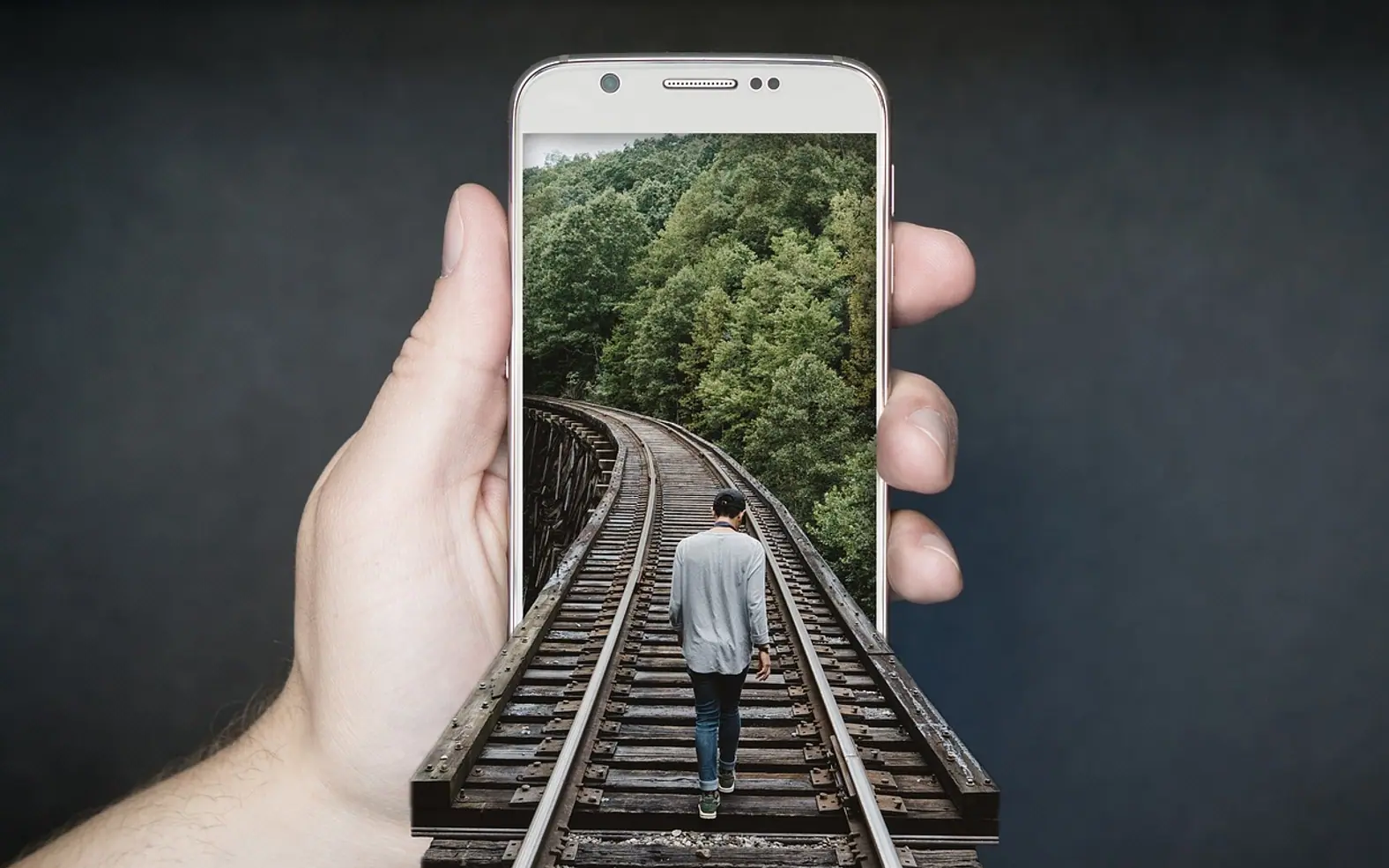
In many French homes, the television signal no longer arrives through a roof aerial or a satellite dish. It comes through the same fibre line that carries video calls, homework and online shopping, often via the box supplied by the internet operator. That quiet change in plumbing has had a large effect on habits, and it helps explain why France is so often cited as a European reference point for IPTV.
Infrastructure that made the shift easy
Internet television only works as well as the connection beneath it. France has pushed fibre deep into cities and a growing share of smaller towns, and operators have long sold internet, phone and television together. For many households, internet-delivered TV was therefore not a separate decision; it simply came with the broadband subscription. Once people had a stable connection and a box under the screen, the step from linear channels to replay, recording in the cloud and on-demand catalogues felt natural.
Television woven into the day
What stands out in France is how thoroughly viewing has spread across the day and across devices. A typical pattern might look like this:
- morning news headlines on a phone over breakfast;
- a replay of last night's debate or cooking show during the commute;
- live sport or a film on the main screen in the evening;
- children's programmes on a tablet in another room, with parental controls switched on.
The word "replay" has become everyday vocabulary, a sign of how normal catch-up viewing now is. Viewers expect to start a programme on one screen and finish it on another without thinking about the technology in between.
A taste for both local and global content
French audiences hold on firmly to their own culture, from national news and regional programmes to French cinema, while also following international series, documentaries and sport. IPTV suits that dual appetite because one interface can hold domestic channels and foreign ones side by side, with subtitles and alternative audio tracks where available. Multilingual households in particular appreciate being able to switch language without switching service.
Beyond the operator boxes, dedicated offers such as Abonnement IPTV HD appeal to viewers who want a high-definition line-up on the devices they already use, from smart TVs to streaming sticks. Sharp picture quality and a broad mix of channels are the features people usually mention first when they talk about this kind of subscription.
Choosing well
The variety of offers brings a responsibility to choose carefully. French viewers, like anyone else, should pick services that are properly licensed for France, check how many screens a plan includes and test picture quality during the busiest evening hours before committing to a long term.
France did not become a leading IPTV market because of one invention. It got there through good networks, bundled offers and viewers who wanted television to fit their lives rather than the other way round, and the rest of Europe is following much the same path.
Good places to start
 BusinessMaking the Most of Your Space: Strategies for Efficient Use of Waste Containers2 min
 iPhoneThe Rising Popularity of Third-Party iPhone Repair Services2 min
 InvestingFirst Charge vs Second Charge Bridging Loans: What’s the Difference?2 min
 ApplicationsMastering Visual Storytelling with Cinepunch Video Creation Suite2 min