

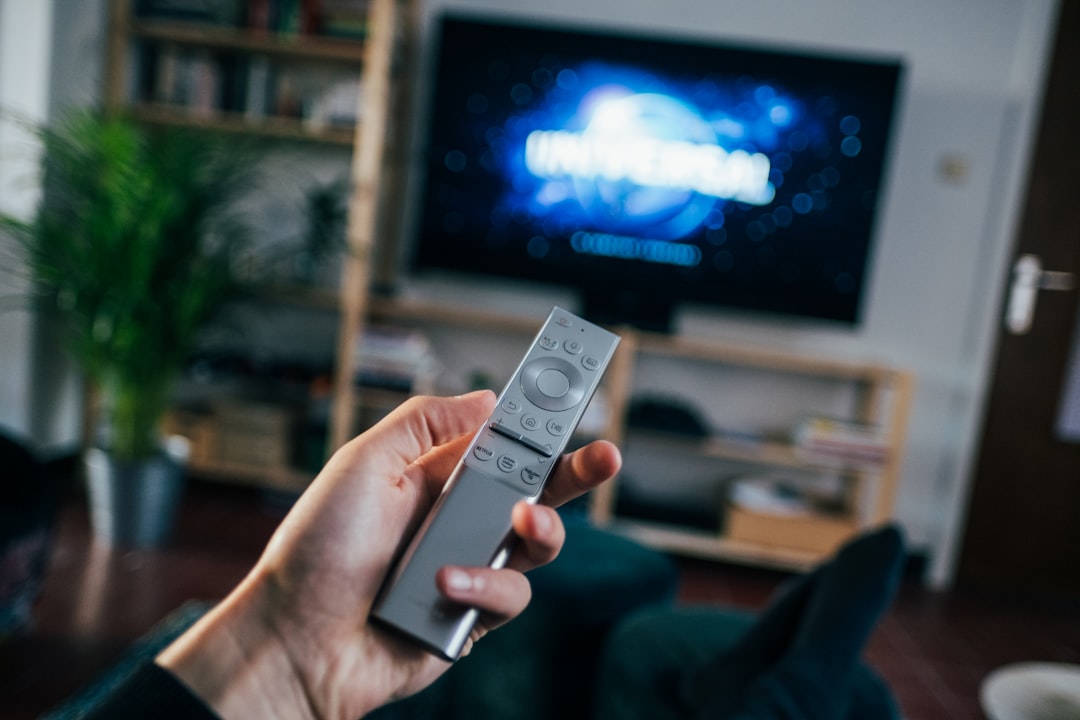
In the modern connected home, television is no longer a fixed habit tied to a single screen, a rigid schedule, or a cable box in the corner of the living room. It has become part of a broader digital lifestyle shaped by mobility, personal choice, and constant access to content. In this transformation, France stands out as one of Europe’s most influential markets. The country has combined strong broadband infrastructure, digitally mature consumers, and a culture that values both innovation and premium entertainment. As a result, IPTV has moved from being a technical alternative to becoming a central part of how many French households watch, discover, and manage media every day.
Why France Has Become a Natural Home for IPTV
France has long been well positioned for IPTV growth. High-speed internet adoption, widespread fiber deployment, and competitive telecom offers have created an environment where internet-based television services can thrive. Unlike traditional broadcasting models, IPTV relies on stable and fast connections to deliver live channels, on-demand content, replay features, and interactive services. France has invested heavily in the infrastructure that makes this experience practical at scale.
Another reason France leads the way is consumer behavior. French viewers are highly responsive to convenience. They want to move easily between live sports, international news, films, children’s programming, and streaming libraries without juggling multiple devices or complex subscriptions. IPTV answers this demand by bringing everything into one accessible environment. It suits urban households, young professionals, families, and multilingual audiences who expect entertainment to adapt to their routines rather than the other way around.
There is also a cultural dimension. French audiences appreciate curated content, strong user experience, and access to both local and international programming. IPTV services are especially attractive because they support a more flexible media diet. Users can watch French channels, explore global content, and personalize viewing habits in a way that reflects the globalized yet distinctly local nature of modern life in France.
IPTV as a Daily Digital Lifestyle Tool
What makes IPTV especially relevant today is that it fits naturally into how people already live. Entertainment is now part of a broader digital ecosystem that includes smartphones, connected TVs, tablets, home assistants, and high-speed Wi-Fi. In this environment, IPTV does not feel like a separate service. It feels like an integrated layer of the connected home.
In France, this integration is particularly visible. People increasingly expect to start a program in one room and continue it in another, or switch from a television to a mobile device while commuting or traveling. IPTV supports this fluidity. It turns viewing into an on-demand, multi-device experience that matches the rhythms of contemporary life.
For many users, the appeal comes down to a few decisive advantages:
- Flexibility: access to live television and replay content without being locked into traditional schedules.
- Personalization: interfaces and recommendations that reflect individual preferences.
- Variety: local, regional, and international channels in one environment.
- Convenience: one service that can support family viewing, sports nights, film discovery, and everyday background entertainment.
This is also why consumers often look for reliable subscription options that combine quality, channel diversity, and ease of use. In discussions about this evolving market, services such as Abonnement IPTV HD are part of the broader conversation around how users seek practical and modern ways to align television with digital habits.
Technology, Expectations, and the French Standard of Quality
France’s leadership in IPTV is not just about availability. It is also about expectations. French consumers tend to place a high value on performance, interface quality, and consistency. That means IPTV providers operating in this market must deliver more than just content volume. They must provide a smooth user journey, responsive navigation, stable streams, and support for high-definition and increasingly ultra-high-definition viewing.
This matters because IPTV sits at the intersection of entertainment and technology. A service can offer thousands of channels, but if the experience feels fragmented or unreliable, it will not fit into the everyday routines of a digitally sophisticated audience. In France, where streaming literacy is relatively high, the standard has shifted. Users expect fast loading times, intuitive menus, and compatibility with the devices they already own.
Telecom competition has helped raise that standard. Internet providers in France have historically bundled television with internet and phone services, making consumers more familiar with advanced digital TV features. This has created a market where viewers are comfortable comparing interfaces, testing functions, and choosing solutions based on usability rather than habit alone. In other words, France has trained a generation of viewers to think of television as a dynamic service, not just a broadcast feed.
As smart homes become more common, IPTV also benefits from a wider technological ecosystem. Voice search, cloud recording, app-based control, and synchronized user profiles all reinforce the idea that television should behave like the other digital services people use daily. In France, where connected living is increasingly mainstream, IPTV is well suited to that expectation.
What France’s Example Means for the Future of Entertainment
France’s role in the IPTV space offers an important lesson for the wider European market: when infrastructure, user expectations, and content flexibility come together, internet television becomes more than a trend. It becomes a defining feature of digital life. The French example shows that viewers are not simply looking for more channels. They are looking for smarter access, better control, and a viewing experience that keeps pace with how they work, travel, and relax.
Looking ahead, IPTV is likely to become even more central as households continue to reduce reliance on rigid legacy systems. The growth of fiber, connected devices, and app-based entertainment will only strengthen its appeal. France is already demonstrating what that future looks like: a media environment where the line between streaming, television, and digital lifestyle has largely disappeared.
For consumers, this means more freedom and better alignment between technology and everyday habits. For the industry, it means that innovation can no longer be optional. Providers that succeed will be those that understand IPTV not merely as a delivery method, but as part of a broader digital experience built around flexibility, quality, and relevance.
France leads the way because it has embraced that reality early and decisively. IPTV in the French market is not just changing how people watch television; it is helping define how modern digital living should feel: connected, personalized, and effortlessly on demand.