Home01 Tech todayNo. 015
Sound in a Suitcase: Unpacking the Features of Portable Train Air Horns
What makes a portable train air horn work: power sources, tuned trumpets, build quality and the safety and noise rules owners should keep in mind before use.
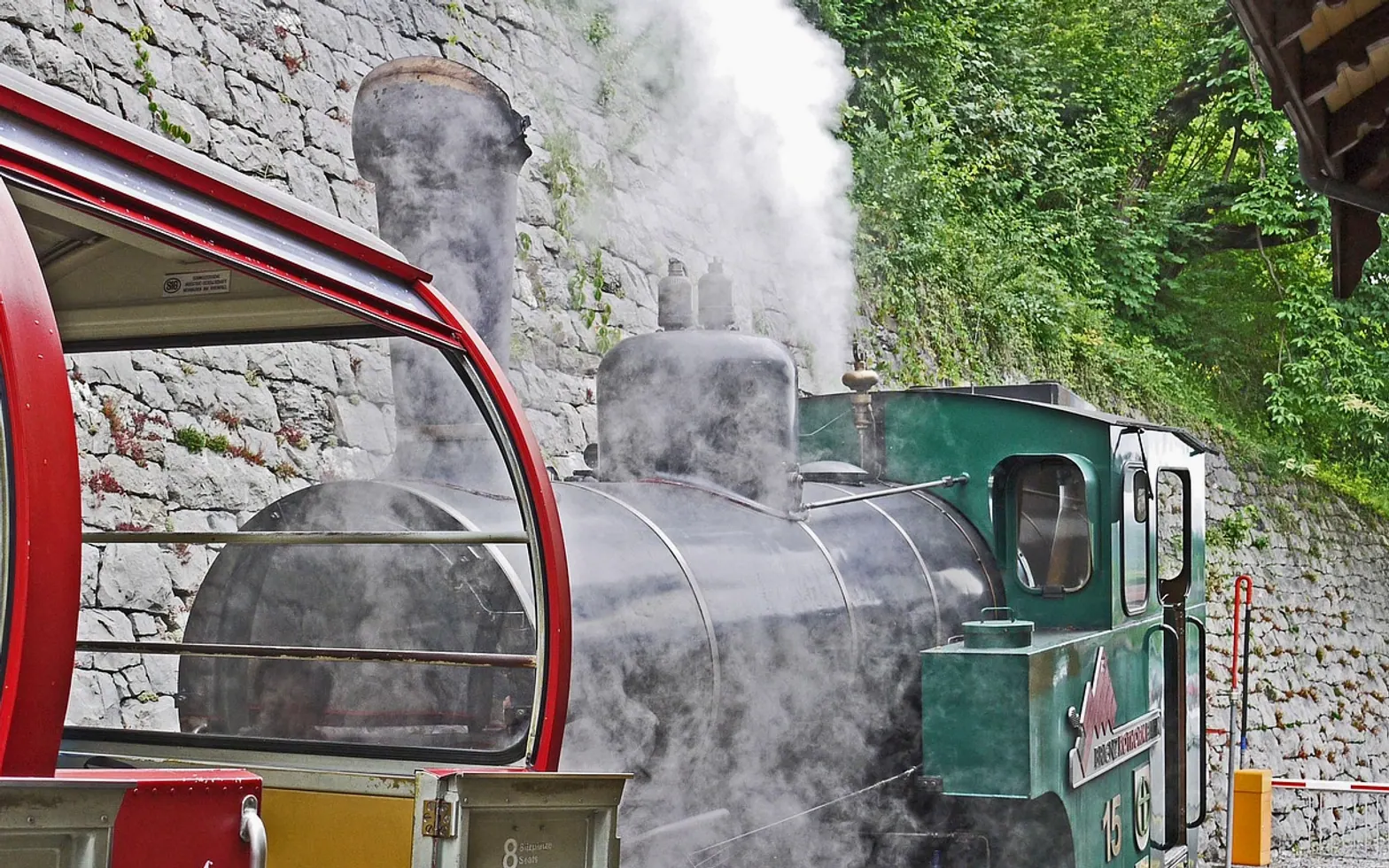
A train horn is designed to be heard from a long way off, so the idea of carrying one in a case sounds almost contradictory. Yet portable train air horns have become a niche favourite among off-road drivers, boat owners, event organisers and people who simply enjoy serious sound. Opening one up, figuratively speaking, shows how much engineering is packed into a small space.
The basic recipe: air, valve, trumpet
Every air horn works on the same principle. Compressed air is released through a valve into a chamber, where it vibrates a diaphragm or reed. The sound is then shaped and amplified by one or more trumpets of different lengths. A portable unit differs from a fixed vehicle kit mainly in how it stores and supplies that air: everything has to be compact, self-contained and quick to set up.
Power without a truck attached
Fixed horns draw air from a vehicle's compressor and tank. Portable models have to bring their own supply, and manufacturers approach this in several ways:
| Power source | How it works | Good for |
|---|---|---|
| Rechargeable battery and onboard compressor | The battery drives a small compressor that fills a reservoir | Grab-and-go use with no hoses |
| Small refillable air tank | Pre-filled tank feeds the valve directly | Short bursts at events |
| Canister | Disposable pressurised can | Occasional, very light use |
Battery-powered designs are particularly popular because they work with tool batteries many people already own. A milwaukee air horn built around a cordless tool battery is a good example: it pairs a familiar power platform with a multi-trumpet layout, so the horn is ready wherever the battery goes.
Why it sounds like a real train
A genuine train horn sound comes from chords rather than a single note. Multi-trumpet horns use bells of different lengths, each tuned to a particular pitch, so the combined blast produces that recognisable layered tone. Three- and four-trumpet designs give a fuller sound than a single bell, and the quality of the valve affects how quickly the horn reaches full volume.
Build, handling and safety
Portable horns are handled more than fixed ones, so construction matters. Durable housings, secure trumpet mounts and a comfortable carry handle make a difference in daily use. Safety is just as important:
- Use hearing protection when testing, and never sound a horn close to someone's ears.
- Follow the manufacturer's charging and pressure instructions, and check any relief valve.
- Learn the local noise rules: using a train horn on public roads or in residential areas is restricted in many places.
- Avoid sounding it where it could startle drivers, animals or people with sensory sensitivities.
Used thoughtfully, at a private event, on a trail or for a well-timed celebration, a portable train horn is a striking piece of engineering. It brings a sound normally tied to heavy rail into something that fits in a case, with all the responsibility that such volume carries.
Good places to start
 BusinessMaking the Most of Your Space: Strategies for Efficient Use of Waste Containers2 min
 iPhoneThe Rising Popularity of Third-Party iPhone Repair Services2 min
 InvestingFirst Charge vs Second Charge Bridging Loans: What’s the Difference?2 min
 ApplicationsMastering Visual Storytelling with Cinepunch Video Creation Suite2 min