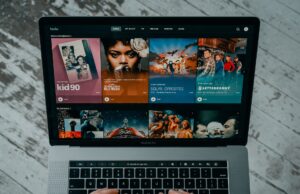

Television once followed a one-size-fits-all approach. Broadcasters created schedules, and viewers adjusted their evenings to match. With Internet Protocol television, the balance shifts in the opposite direction. IPTV adapts to individual habits, preferences, and contexts, from the busy student in Rotterdam watching on a phone to the family in a Dutch village gathered around a large screen. Understanding how IPTV personalises viewing sheds light on why so many households regard it as their main entertainment hub.
From Static Schedules To Flexible Viewing Windows
Traditional broadcasting builds a fixed timetable. News airs at a certain hour, series follow in weekly slots, and late-night films fill the remaining gaps. Anyone who misses a broadcast must hope for a rerun. IPTV breaks that constraint by storing programs in digital libraries.
Live channels still exist, yet many IPTV platforms supplement them with catch-up and on demand sections. A talk show that aired last night remains available for several days. Entire seasons of series stand ready for marathon viewing. This change suits irregular working hours, family commitments, and shifting social calendars. People no longer plan their evenings around the television schedule; they weave programs into their existing routines.
In the Netherlands, where many people combine part-time work, study, and commuting, this flexibility holds special appeal. Commuters might watch an episode on a train via a mobile application, then continue on the television at home without losing their place. Night-shift workers can watch prime-time shows the next morning without spoilers, because IPTV platforms let them start at any time.
Profiles, Recommendations, And Data Use
One of the most visible signs of personalisation in IPTV lies in user profiles. Each member of a household can have a separate profile with its own favorites, watch history, and recommendations. Parents do not need to sift through children’s cartoons when they search for a documentary, and teenagers can maintain their own list of series.
Behind these profiles, recommendation engines analyse viewing behavior. They consider which genres people choose, how long they watch, and which programs they abandon. Based on that information, the system presents suggestions that match previous choices. Someone who watches many Dutch crime series might receive recommendations for similar titles from other countries, while a sports fan sees upcoming matches and highlight shows.
While this data-driven approach adds convenience, it also raises questions about privacy. Dutch and European regulations require transparency about data collection and give users rights to access and control their information. Reputable IPTV providers publish clear privacy policies, allow subscribers to adjust tracking settings, and offer tools to clear watch history or reset recommendations.
Multi-Screen Viewing And Life In Dutch Homes
IPTV’s flexibility extends beyond content, reaching the devices on which people watch. Set-top boxes connected to televisions remain central, but tablets, laptops, and smartphones now play an important role. In many Dutch homes, several screens run at once.
Parents might follow a news program in the living room while a child watches educational content in a bedroom. Another family member may check highlights on a tablet while cooking. IPTV supports this pattern by allowing simultaneous streams within one subscription, subject to technical and contractual limits.
This multi-screen environment fits contemporary Dutch housing, where open-plan living areas, compact apartments, and shared student houses all benefit from flexible viewing options. Internet connections capable of handling several high definition streams at once support this behavior, turning IPTV into a background presence that adapts to the rhythm of the household.
Accessibility And Inclusive Design
Personalisation also covers accessibility features that help people with visual or hearing impairments. IPTV platforms typically offer subtitles, audio descriptions, and clear audio modes. Viewers can switch these options on or off, adjust subtitle appearance, and choose audio tracks that suit their needs.
In a country where many people watch programs in multiple languages, subtitles serve both accessibility and language learning. Dutch viewers might watch original English content with Dutch subtitles, while others use English subtitles to practice. IPTV systems make this simple by including subtitle toggles on remote controls and quick access menus.
Interface design plays a role in inclusion as well. Large icons, high-contrast themes, and simple navigation can support older viewers or those with limited technical experience. Clear labeling of menus, channels, and settings reduces confusion and encourages independent use.
Content Discovery Without Overload
One challenge of IPTV lies in the scale of content libraries. With hundreds of channels and thousands of on demand titles, viewers can feel overwhelmed. Effective IPTV platforms address this by structuring content into manageable sections.
Home screens often highlight featured programs, recent additions, and categories such as drama, comedy, or sport. Search functions accept titles, actors, or themes, then return suggestions quickly. Some systems allow voice search, which lets users speak into the remote control rather than typing with arrow keys.
Personalised rows, such as “continue watching” or “because you watched,” further narrow the field. These features focus attention on a small set of relevant programs instead of the full library. Over time, this helps viewers maintain a comfortable mix of familiar favorites and new discoveries.
Dutch Viewing Culture And IPTV
Viewing culture in the Netherlands shows a strong interest in both local and international content. National news and current affairs programs attract steady audiences, as do talk shows that discuss social issues. At the same time, Dutch viewers watch foreign series and films in large numbers. IPTV supports this blend by offering a wide range of channels and on demand libraries.
For example, a household might tune in to a public broadcaster for a Dutch documentary, switch to an international channel for an American series, then watch a locally produced drama through catch-up services. IPTV interfaces let viewers move between these sources without leaving the main menu. This fluid movement reflects broader cultural openness to global media while maintaining a connection to local perspectives.
Looking Ahead: How Personalisation May Develop Further
Future developments in IPTV personalisation may include more refined profiles, smarter recommendations, and integration with other connected devices. As artificial intelligence tools mature, they can learn to distinguish between different moods and contexts. A platform could suggest light entertainment after a string of heavy documentaries, or family-friendly options during early evening hours when children are likely present.
Integration with smart home systems might allow voice assistants to start a favorite channel or dim lights for film night. In the Netherlands, where smart thermostats, doorbells, and lighting are already widespread, IPTV can become one more element in an interconnected home.
Throughout these advances, transparency and user control will remain central. Dutch viewers value both convenience and privacy. IPTV providers that give subscribers clear choices about data use, combined with helpful personalisation that respects those choices, are likely to earn long-term trust.
IPTV’s ability to adjust to individual habits, devices, and languages turns television from a fixed broadcast into a flexible, personal companion. In Dutch homes of many shapes and sizes, that shift has already reshaped how evenings unfold and how stories reach the screen.