Design, Hospitality, and Sustainability: How Amsterdam Coffeeshops Shape Welcoming Spaces
How Amsterdam coffeeshops use interior design, attentive service, greener operations and good relations with neighbours to create calm, welcoming rooms.
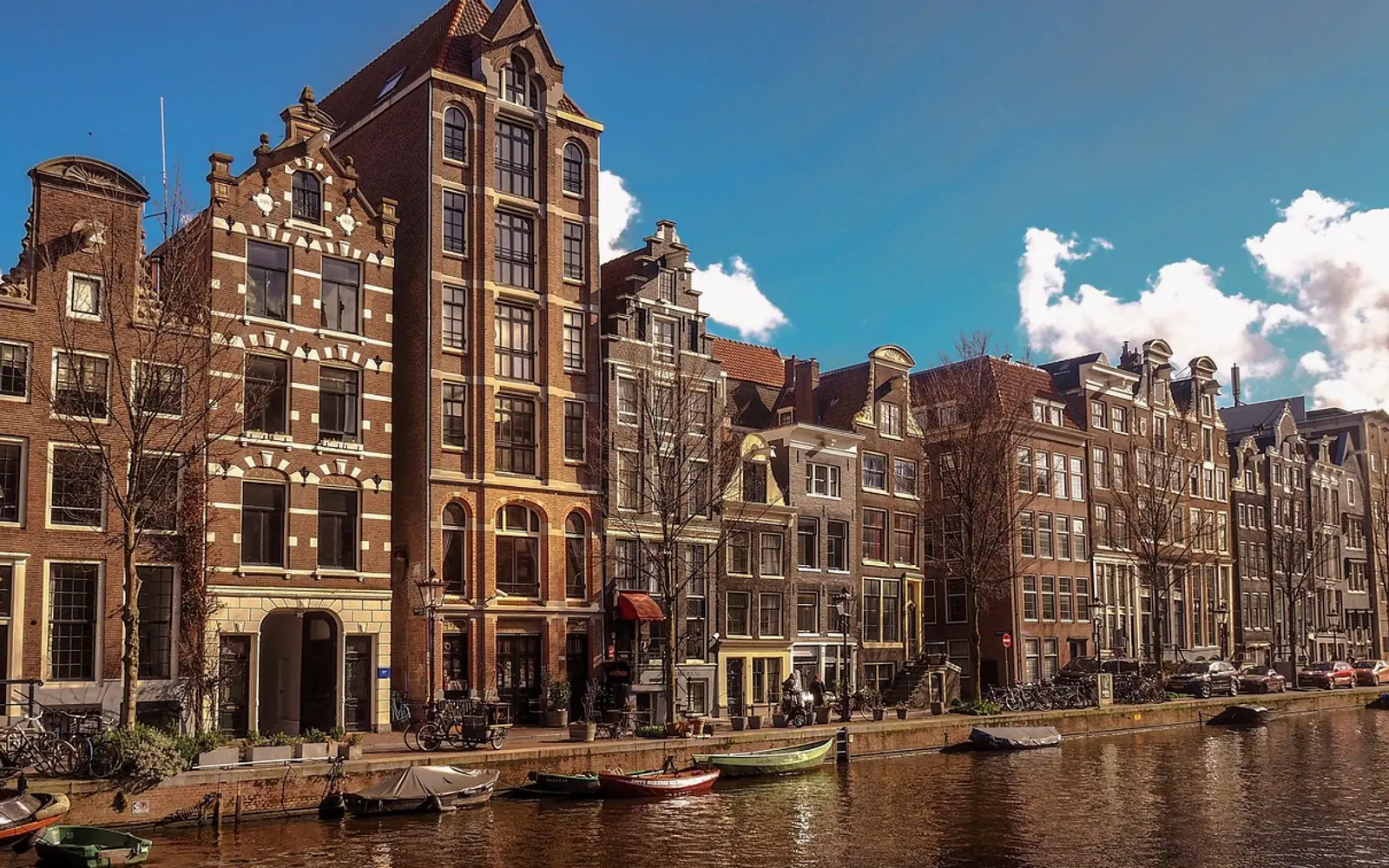
Walk through Amsterdam's older neighbourhoods and the variety of coffeeshop interiors is striking. Some feel like a living room with plants and worn wooden tables, others like a quiet gallery with clean lines and soft lighting. Behind that variety sits a shared idea: the space itself shapes how adult visitors behave, how long they stay and how the street around them experiences the business.
Rooms that set a calm tone
Good hospitality design starts with the senses. Warm, indirect lighting avoids glare and makes a room feel relaxed rather than clinical. Strong ventilation keeps the air fresh and comfortable. Seating works best when it offers choice: a few larger tables for groups, a counter for quick visits and quieter corners for two people having a conversation.
Sound matters as much as sight. Music at a moderate level gives each table a little privacy without forcing people to raise their voices. Natural materials, textiles and greenery soften acoustics as well as appearance. The specific style is less important than the sense that every element was chosen deliberately.
Clear signage near the entrance helps too. When house rules, payment options and any requests from the neighbourhood are visible at a glance, newcomers settle in faster and staff can spend their time on service instead of reminders.
Service that puts guests at ease
The counter is where a venue's character becomes obvious. Well-trained staff greet people, check identification promptly, since entry is for adults only, and explain the menu in plain language without overwhelming first-time visitors. Offering a short shortlist rather than a long monologue respects people's time. Little touches, such as bringing water or suggesting a quieter seat, show genuine care.
Consistency is part of hospitality. Staff who apply the house rules calmly and equally, including declining service when appropriate, protect the atmosphere for everyone and the licence the business depends on.
Sustainability behind the scenes
Many venues have quietly adopted greener habits:
- LED lighting and well-maintained ventilation filters to reduce energy use
- gentler cleaning products
- recyclable or compostable packaging where possible
- tap water in reusable glasses instead of bottled drinks
- snack and drink suppliers chosen for transparent sourcing and less packaging
None of these changes is dramatic alone, but together they reduce a venue's footprint and appeal to visitors who care about how places are run.
Accessible and inclusive by design
Step-free entrances where the building allows, clear walkways and stable chairs make visits easier for guests with limited mobility. Menus in readable type, with plain descriptions and translations, help international visitors understand what is on offer. A firm stance against harassment and a friendly approach to solo guests signal that the room is meant for everyone who is of age.
Good neighbours on a busy street
The most respected venues treat the pavement outside as part of the room. A well-run coffee shop Amsterdam visitors remember fondly is usually one where the welcome inside is matched by tidy entrances, organised queues and a considerate attitude towards residents next door.
For visitors, the cues are easy to read: fresh air, comfortable seating, visible rules, a reasonable noise level and staff who answer questions patiently. Respecting local regulations and house rules completes the picture, helping keep the city's distinctive coffeeshop culture welcome in its neighbourhoods.
Good places to start
 BusinessMaking the Most of Your Space: Strategies for Efficient Use of Waste Containers2 min
 iPhoneThe Rising Popularity of Third-Party iPhone Repair Services2 min
 InvestingFirst Charge vs Second Charge Bridging Loans: What’s the Difference?2 min
 ApplicationsMastering Visual Storytelling with Cinepunch Video Creation Suite2 min