The Role of Smart Homes in Singapore’s Real Estate Growth
How connected features are shaping new homes in Singapore: remote control of lighting and climate, energy savings, digital security and what buyers should ask.
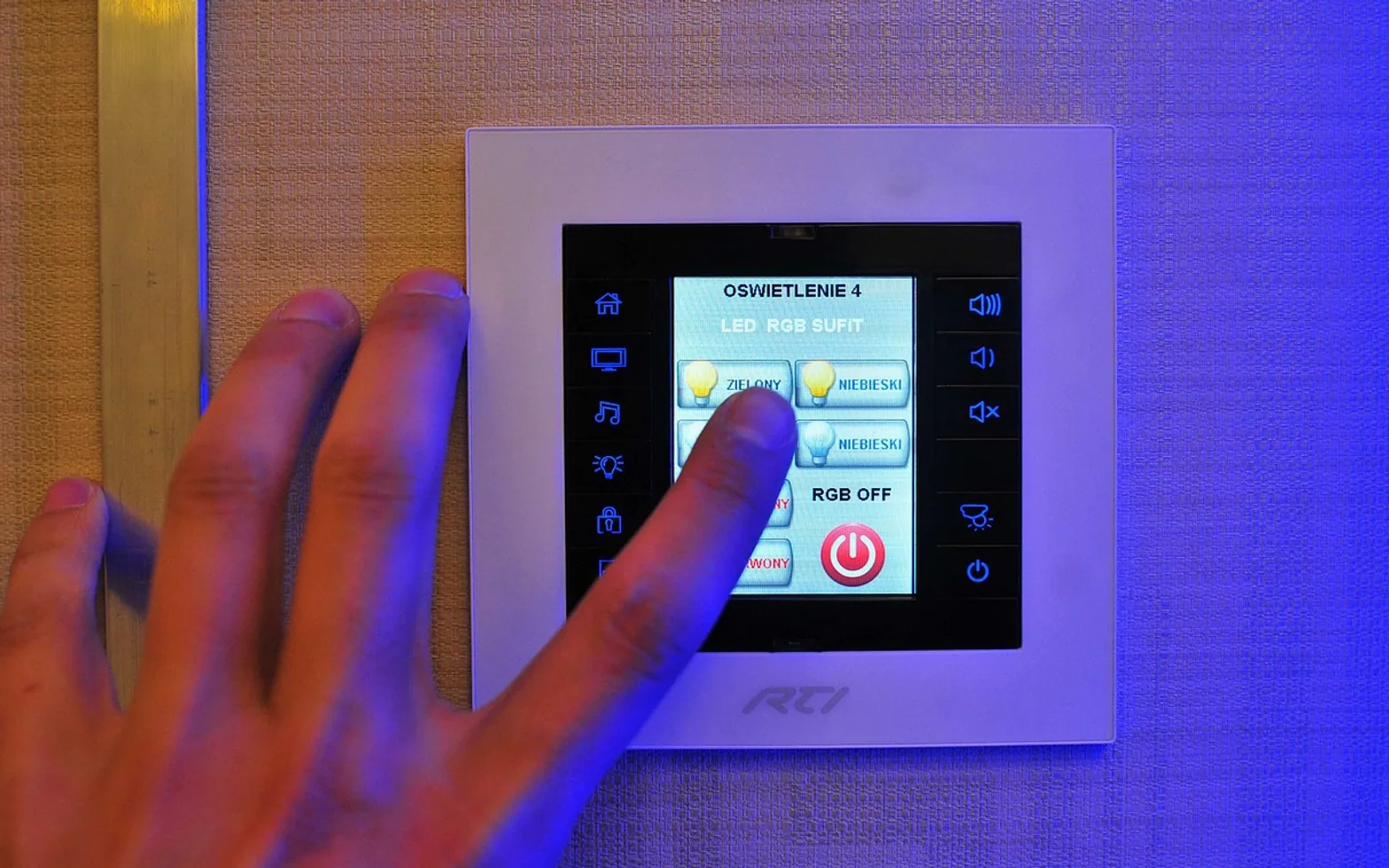
Walk into a Singapore showflat today and the technology is often part of the pitch. Digital locks, app-controlled air-conditioning, smart lighting and video intercoms have moved from optional upgrades to features buyers expect to see listed. As the city continues to invest in digital infrastructure, home automation has become one of the ways new developments try to stand out.
Why smart features fit Singapore so well
Several local factors make connected homes a natural match. High-rise living means residents value features that simplify access and security. A warm, humid climate makes efficient cooling a constant priority. Widespread fast broadband provides the backbone these systems need. And many buyers already manage much of their daily life through apps, so controlling the home from a phone feels like a small, logical step.
Portals that gather every condo new launch 2024 in one place show how often developers now highlight smart-home packages alongside location and facilities, making it easier for buyers to compare what each project includes.
Comfort and convenience
The everyday appeal is simple. Residents can switch on the air-conditioning before arriving home, check whether the lights were left on, let a family member in remotely or see who is at the door while at work. Voice assistants and scheduled routines can handle repetitive tasks, such as dimming lights in the evening or turning off appliances at night.
Energy and running costs
Efficiency is where smart systems can offer long-term value. Thermostats and air-conditioning controls that follow a schedule avoid cooling empty rooms. Sensors can switch off lighting in unused spaces. Energy monitoring helps households see which appliances use the most power. The actual savings depend on habits, unit size and the equipment installed, but better visibility tends to encourage better choices.
Security and peace of mind
Digital locks remove the worry of lost keys and can grant temporary access to cleaners or visitors. Cameras and smart doorbells send alerts to a phone. Connected smoke or leak sensors can warn residents early. These features also bring new responsibilities: strong passwords, regular software updates and attention to how data from cameras and sensors is stored.
Questions to ask before buying
- Which devices are included, and which brands or systems do they use?
- Can the system be expanded or integrated with other products later?
- Who maintains it, and how long are software updates supported?
- What happens to the features if the developer's app is discontinued?
- How is resident data handled and protected?
Smart features can make a home more comfortable and efficient, yet they are only one part of a property decision. Location, layout, tenure and price still matter most, and buyers should review their finances and current property rules carefully before committing.
Good places to start
 BusinessMaking the Most of Your Space: Strategies for Efficient Use of Waste Containers2 min
 iPhoneThe Rising Popularity of Third-Party iPhone Repair Services2 min
 InvestingFirst Charge vs Second Charge Bridging Loans: What’s the Difference?2 min
 ApplicationsMastering Visual Storytelling with Cinepunch Video Creation Suite2 min