Home06 InvestingNo. 038
Beating Inflation One Deposit at a Time With High Interest Savings
How high interest savings accounts work, where they help against rising prices, their limits, and simple habits that make regular deposits add up over time.
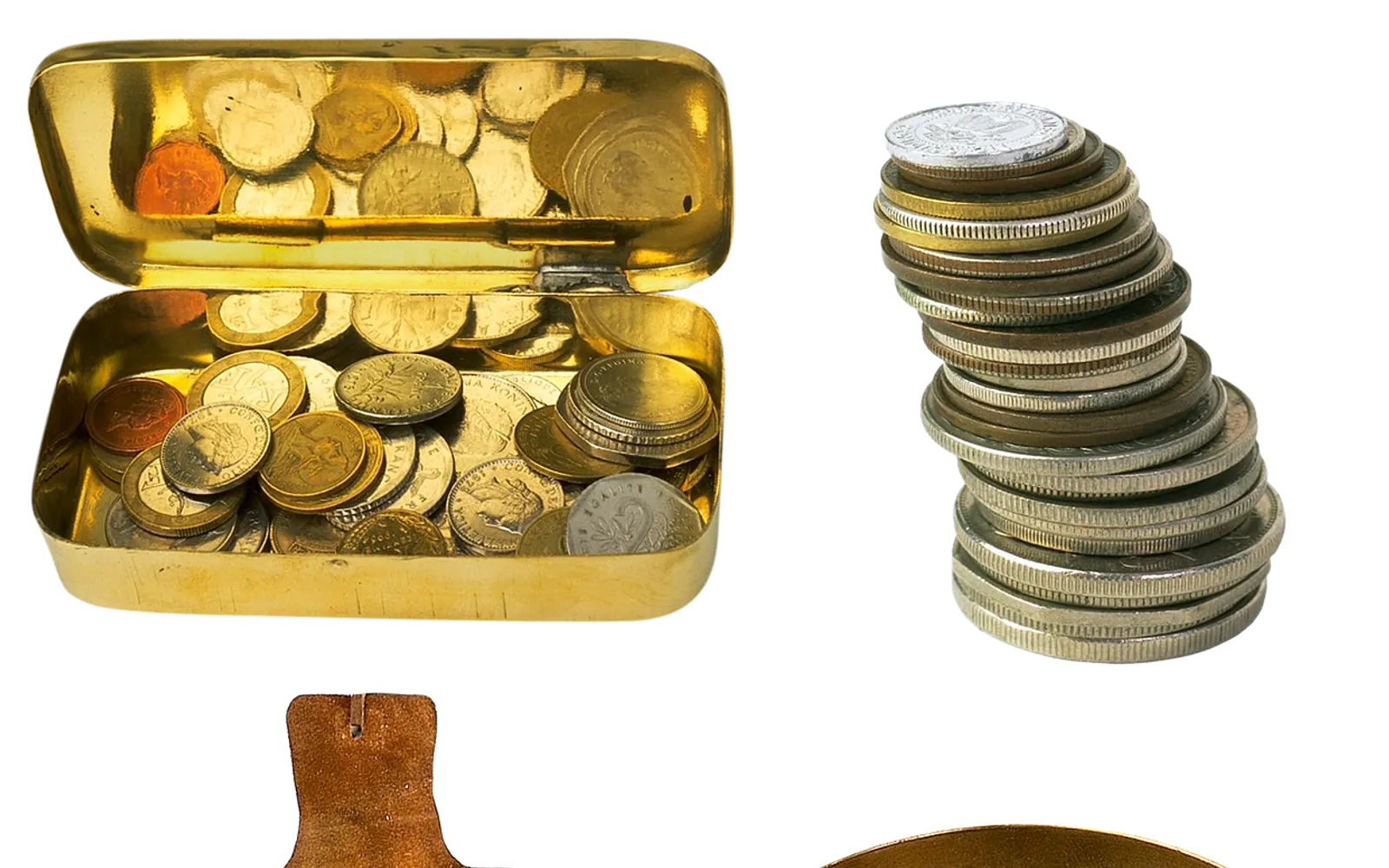
Rising prices have a quiet way of shrinking savings. Money left in an account that pays little or no interest keeps the same number on the screen while buying a little less each year. For people who want to protect a cash cushion without taking on market risk, a savings account that pays a higher rate is one of the simplest tools available.
How a savings account earns the label
A high interest savings account works like a regular savings account, but pays a more competitive rate on the balance. These accounts are often offered by online banks, credit unions and financial technology companies, which keep costs low and pass part of that saving to customers through the rate. The balance itself is not invested in shares, so it does not swing up and down with the stock market.
A High Interest Savings Account fits well into everyday money management because it keeps savings separate from spending while staying easy to reach. Moving money in regularly, watching the interest arrive and keeping an emergency fund in one clear place are the features people tend to value most.
How it helps against inflation, and where it falls short
Interest offsets some or all of the erosion caused by rising prices. Whether it fully keeps pace depends on the rate paid and on inflation at the time, and both change. Before you move any money, weigh these points:
- Rates are usually variable and can fall as well as rise.
- Some accounts pay a higher rate only on part of the balance or under certain conditions.
- Interest may be taxable depending on the account type and where the saver lives.
- Over long periods, cash savings may not grow as much as other assets, which carry their own risks.
Savers should also check whether deposits are protected by a deposit insurance scheme and under what limits, since arrangements differ between institutions.
Habits that make deposits count
- Automate it. A small transfer scheduled on payday builds the balance without relying on willpower.
- Give each pot a job. An emergency fund, a holiday and a home repair reserve are easier to protect when they are labelled.
- Review the rate. Check once or twice a year whether the account is still competitive.
- Leave it alone. The benefit builds over time, so avoid dipping in for non-essentials.
Where it fits in a wider plan
A high interest savings account is best suited to money needed in the short to medium term, or money that must stay safe and accessible. Longer-term goals such as retirement may call for a different mix of products, each with its own risks. Because every household's situation is different, anyone making larger decisions about savings and investments should consider speaking with a licensed financial adviser. For the everyday task of keeping cash working a little harder while prices rise, regular deposits into a well-chosen account remain a sensible first step.
Good places to start
 BusinessMaking the Most of Your Space: Strategies for Efficient Use of Waste Containers2 min
 iPhoneThe Rising Popularity of Third-Party iPhone Repair Services2 min
 InvestingFirst Charge vs Second Charge Bridging Loans: What’s the Difference?2 min
 ApplicationsMastering Visual Storytelling with Cinepunch Video Creation Suite2 min
Keep reading Investing
- 052From Local Trends to Winning Strategies: The Benefits of Comparative Market Analysis
- 048Insider's Guide to Investing in Dachau Rental Properties: Legal Steps, Returns, and Neighborhood Picks
- 044The Advantage of Independent Wealth Management for Complex Family Needs
- 043Mortgages in Australia Explained: Complete Breakdown for First-Time Homebuyers
- 040AI Trading Bot voor Beginners: Starten met Automatisch Beleggen met AI