Mastering Brake Maintenance: The Secret to Saving Money and Ensuring Safety
Why regular brake checks cost less than late repairs: the warning signs, what an inspection covers, how pads protect rotors and how to choose a workshop.
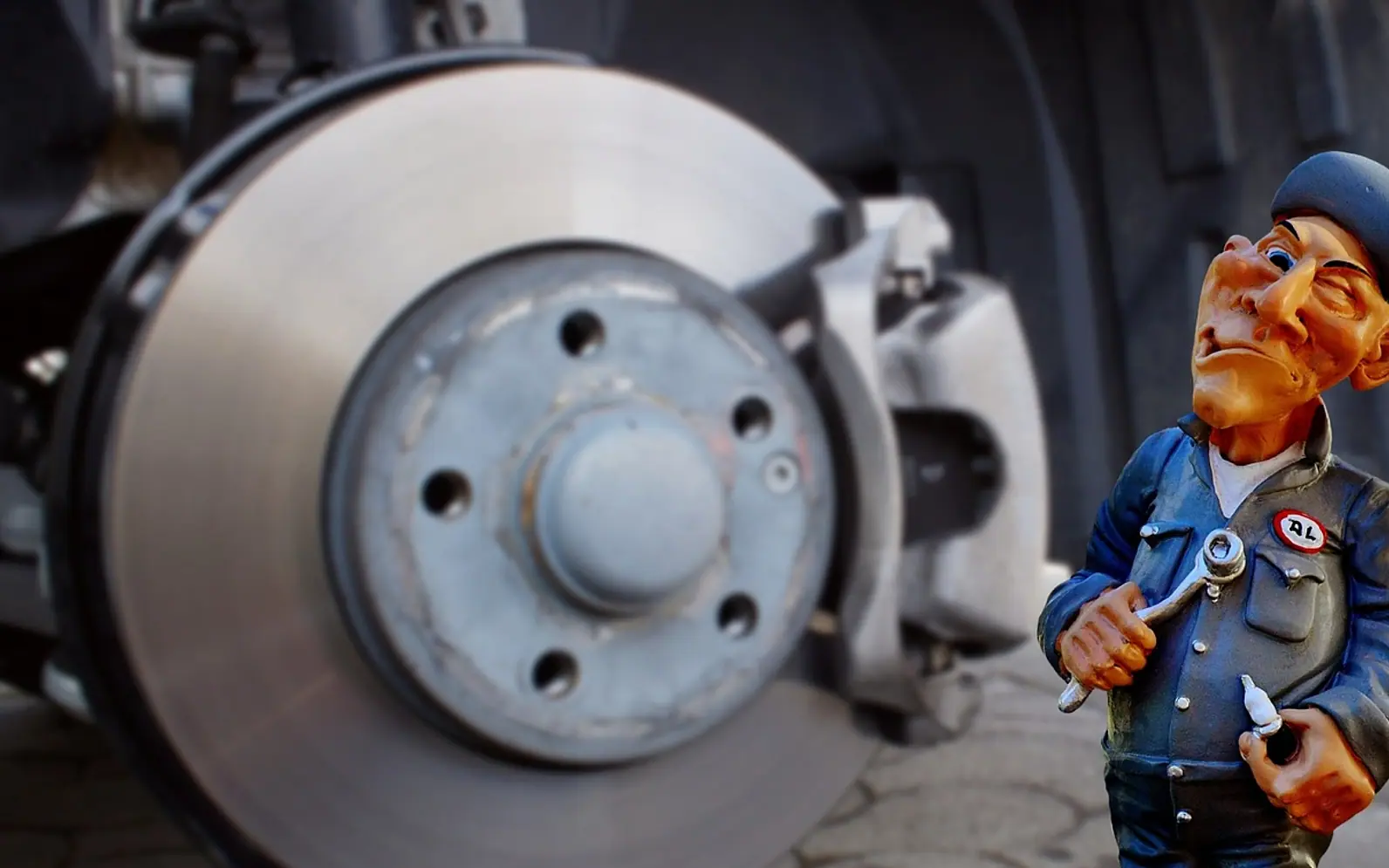
Brakes do their job so quietly that many drivers only think about them when something sounds wrong. By then, a simple pad replacement may already have turned into a bigger repair. Treating brakes as a routine maintenance item rather than an emergency is one of the easiest ways to protect both your safety and your budget.
How small wear turns into big bills
A braking system is a chain of parts that rely on one another. Pads press against rotors, calipers apply the pressure, and hydraulic fluid carries the force from the pedal. When pads wear thin, metal can start to contact the rotor surface. What could have been a modest job then becomes a pads-and-rotors job, and in some cases calipers suffer too.
Fluid behaves in a similar way. Brake fluid absorbs moisture over time, which can reduce its performance and encourage corrosion inside the system. Replacing it at the intervals your manufacturer recommends costs far less than dealing with seized or leaking components later.
Warning signs worth acting on
- A high-pitched squeal when braking, often from a built-in wear indicator
- Grinding or scraping noises
- A soft, spongy or sinking pedal
- The steering tugs left or right when you slow down
- Vibration through the pedal or steering wheel
- A warning lamp for the brakes lights up
Any of these deserves a prompt check. Some are minor; others need immediate attention, and only an inspection can tell which is which.
What a proper inspection includes
A thorough check looks at pad and shoe thickness, the condition of rotors and drums, brake lines and hoses for leaks or damage, fluid level and condition, and the function of the brake lights. A technician will also note uneven wear, which can point to a sticking caliper or another underlying issue.
How often to inspect depends on your vehicle and the way it is driven. City traffic, towing, hilly routes and heavy loads all wear brakes faster than steady highway driving. Your owner's manual gives the baseline, and many workshops will glance at the brakes during a regular service or tyre change.
Choosing where to get the work done
Convenience counts for a lot here, because a nearby workshop makes it more likely that small issues get looked at early. Drivers searching for brake change near me can find local specialists who focus on this one system, which often means quicker turnaround and clear explanations of what needs replacing now and what can wait.
Whoever you choose, ask for the measurements behind any recommendation, such as remaining pad thickness, and for a written quote before work begins. A trustworthy technician will be happy to show you the worn parts.
Habits that make brakes last longer
Driving style has a direct effect on wear. Leaving more distance to the car ahead allows smoother, earlier braking. Using lower gears on long descents takes load off the brakes. Removing unnecessary weight from the boot helps too. None of these habits replace inspections, but together they stretch the time between replacements and keep stopping power where it should be.
Good places to start
 BusinessMaking the Most of Your Space: Strategies for Efficient Use of Waste Containers2 min
 iPhoneThe Rising Popularity of Third-Party iPhone Repair Services2 min
 InvestingFirst Charge vs Second Charge Bridging Loans: What’s the Difference?2 min
 ApplicationsMastering Visual Storytelling with Cinepunch Video Creation Suite2 min