Riding High: An Inside Look at California's Luxury Auto Auctions
What happens at high-end car auctions in California: how lots are prepared, how bidding works, the paperwork buyers should check and tips for a first visit.
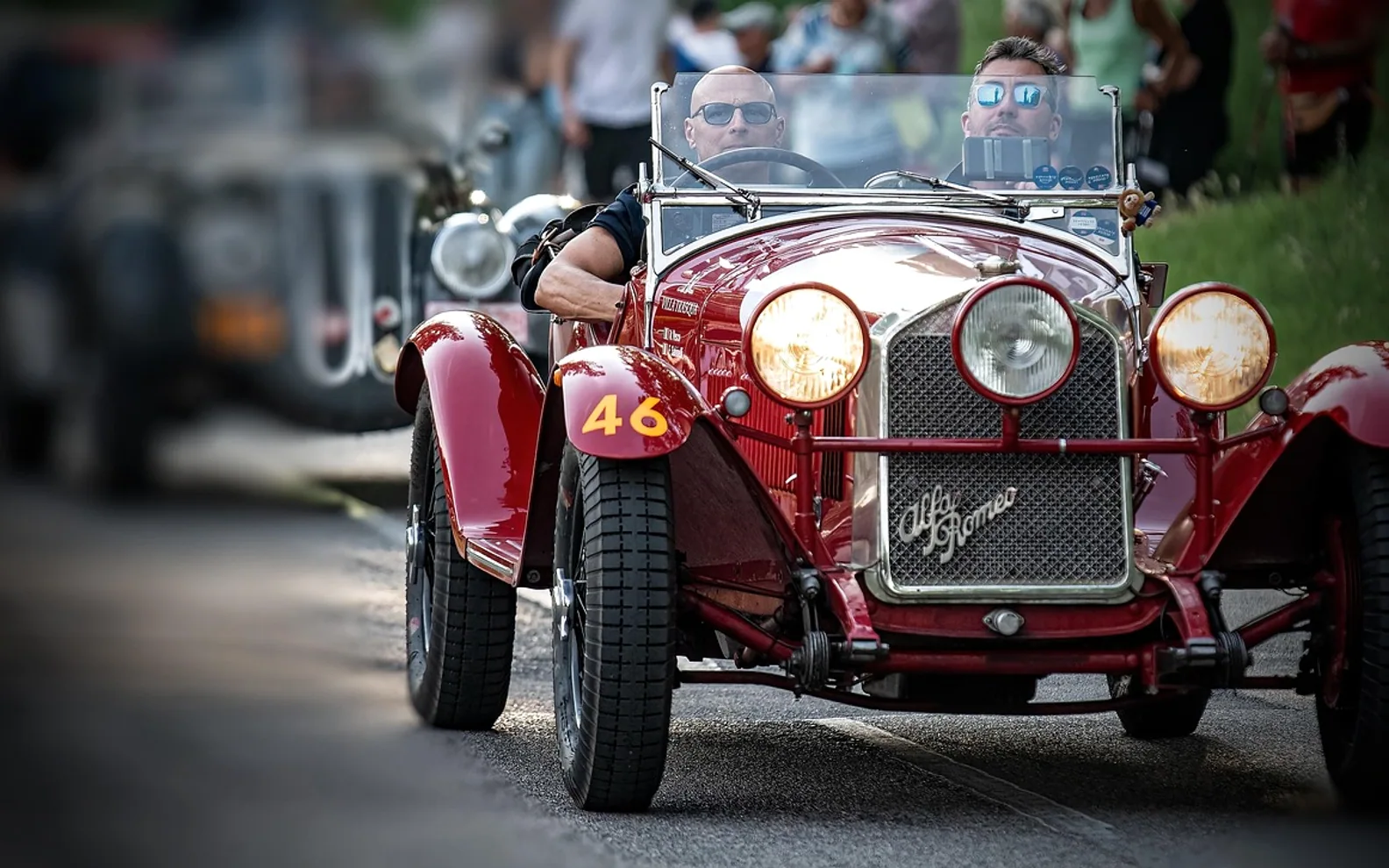
Few places mix car culture and spectacle quite like California. Between coastal concours weekends, collector garages and a long tradition of customising and racing, the state has become a natural home for auctions where rare and expensive vehicles change hands in front of a crowd.
Why these sales draw such a crowd
A luxury car auction is part marketplace, part museum and part theatre. Visitors can walk past pre-war coachbuilt cars, European sports cars from the 1960s, restored muscle cars and limited-run modern supercars in the space of an afternoon. For enthusiasts, simply seeing these machines up close is worth the trip. For buyers, the appeal lies in access: some vehicles rarely appear on the open market, and an auction may be the only realistic chance to bid on them.
California's climate also plays a part. Dry weather has historically been kind to old metal, so the state is known for well-preserved vehicles, and collectors from other regions often watch its sales closely.
Behind the scenes before the gavel falls
The polished cars on the floor represent weeks of preparation. Auction teams typically review documentation, photograph each lot, describe its history and condition, and agree with the seller on how it will be presented. Specialists may examine matching numbers, restoration records and ownership history, since provenance can strongly influence what bidders are willing to pay.
Catalogues are usually released ahead of the sale, giving buyers time to research, arrange inspections and set their limits.
How bidding actually works
Each lot crosses the block in turn while the auctioneer calls increasing bids. Bidders may participate in the room, by phone or online, depending on the event. Some lots carry a reserve, meaning the car will not sell below a minimum agreed with the seller. When the hammer falls, the winning bidder is committed, so preparation matters.
- Register in advance and understand the deposit and payment terms.
- Read the conditions of sale, including any buyer's premium added to the hammer price.
- Inspect the car, or have a trusted specialist do it, before the sale day.
- Decide on a maximum and stick to it, whatever the atmosphere in the room.
- Plan transport, registration and insurance for after the sale.
Not every auction is a black-tie event
The headline sales attract attention, but the wider auction scene in the state is far broader. Public and dealer sales handle everyday cars, fleet vehicles and repossessions, and they can be a practical route to a good-value purchase. Resources that list auto auctions California help buyers find upcoming sales near them, compare formats and learn how registration and payment work before they show up.
Making the most of a first visit
Going as a spectator first is a sensible way to learn the rhythm of an auction without pressure. Watch how quickly lots move, notice which details bidders check during preview hours and listen to how the auctioneer handles reserves. By the time you raise a paddle yourself, the process will feel familiar, and you will be bidding on facts rather than adrenaline.
Good places to start
 BusinessMaking the Most of Your Space: Strategies for Efficient Use of Waste Containers2 min
 iPhoneThe Rising Popularity of Third-Party iPhone Repair Services2 min
 InvestingFirst Charge vs Second Charge Bridging Loans: What’s the Difference?2 min
 ApplicationsMastering Visual Storytelling with Cinepunch Video Creation Suite2 min