Home08 AccessoriesNo. 051
Turn Your Designs Into Eye-Catching Acrylic Keychains
From sketch to finished charm: how to prepare artwork, choose shapes, finishes and hardware, and plan small runs of acrylic keychains people actually carry.
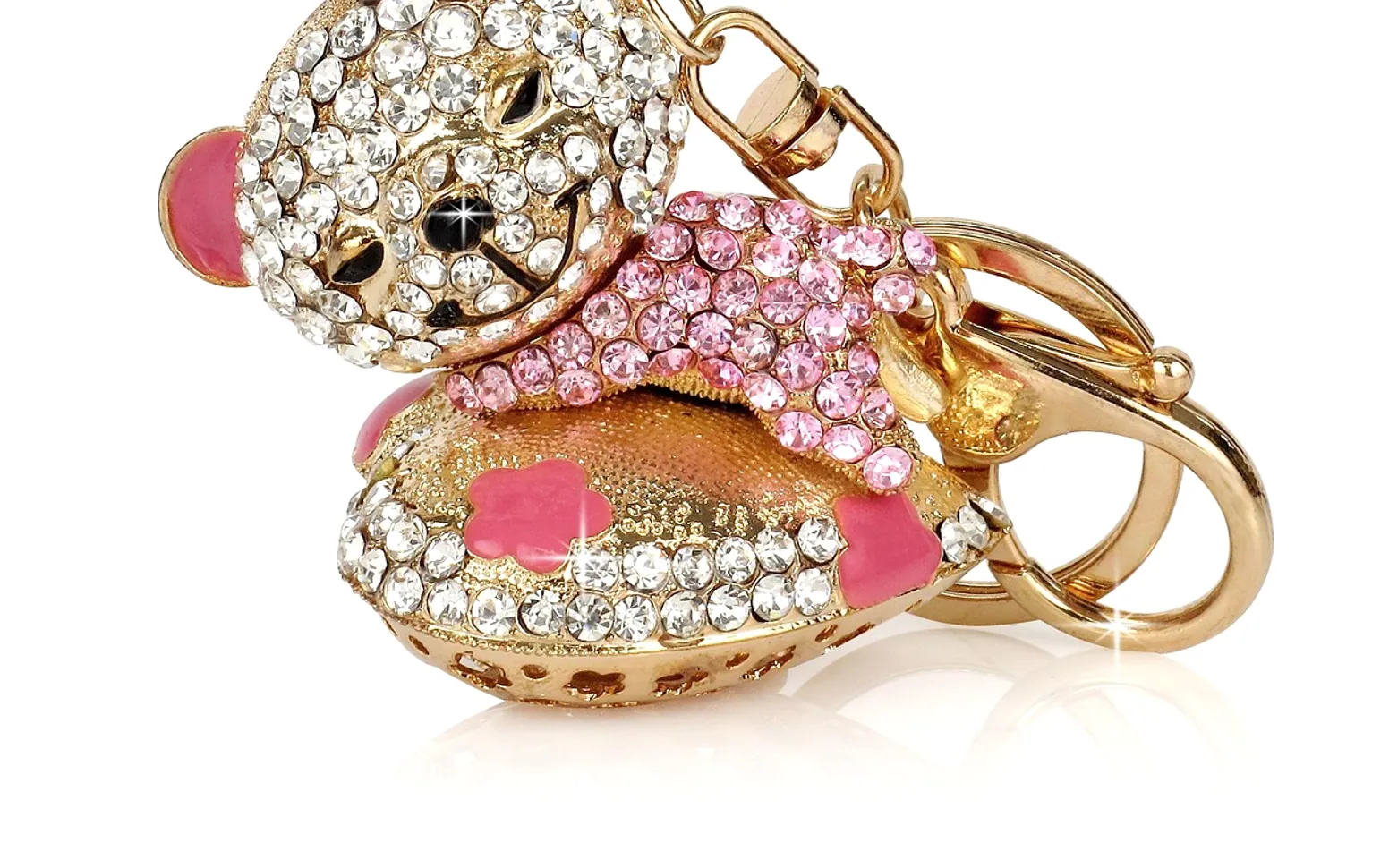
A keychain is one of the few pieces of merchandise that leaves the house every single day. It rides in pockets, swings from backpacks and sits on café tables, which gives a good design far more exposure than a print on a wall. Acrylic suits the job well: it is light, holds bright colour, can be cut into almost any outline and survives being thrown into a bag with keys and coins.
Prepare the artwork properly
Most disappointing keychains go wrong at the file stage rather than the factory. Before sending anything to print, it helps to work through a short routine:
- Work at full resolution. Small charms reveal pixelation quickly, so vector artwork or high-resolution files are the safest base.
- Draw a cut line. Most makers need a separate outline, usually offset a little from the artwork, that tells the cutter where to trace.
- Think about the white layer. On clear acrylic, colours printed without a white backing look translucent. Decide where you want solid colour and where you want the see-through effect.
- Place the hole early. Leave enough material around the ring hole so it does not crack, and keep it away from faces or text.
- Check thin parts. Very fine tails, strands of hair or lettering can snap off; thicken them or let the outline merge them into the main shape.
Shape, size and finish
A distinctive outline does a lot of the work. A character cut to its silhouette is more memorable than the same image inside a plain circle. Size should match the use: large charms suit bags, while smaller pieces feel more practical on a set of house keys.
Finishes change the mood of the piece. Glossy clear acrylic gives crisp colour, frosted surfaces look softer, and holographic or glitter layers add the kind of sparkle that collectors at conventions enjoy. Double-sided printing, epoxy domes and stacked layers that create depth are worth considering for premium editions.
Hardware and packaging
The metal parts are easy to overlook, yet a cheap ring that bends or a chain that tarnishes spoils a good design. Lobster clasps work for bags, split rings for keys, and phone straps or ball chains for lighter charms. A simple backing card with your logo and a short line about the artwork turns the keychain into something that looks ready for a shop shelf or a gift bag.
From one design to a small collection
Artists and small brands often start with a short run to test which designs sell, then expand the most popular ones into series. For anyone new to the production side, this guide to making acrylic keychains lays out the steps clearly, from preparing files to choosing options, and helps first-time sellers understand what a manufacturer will ask for.
Photograph finished samples in natural light, show them attached to real bags or keys, and let customers see the size against a hand. Those small touches help an online listing do justice to the piece and make it easier to spot which designs deserve a second batch.
Good places to start
 BusinessMaking the Most of Your Space: Strategies for Efficient Use of Waste Containers2 min
 iPhoneThe Rising Popularity of Third-Party iPhone Repair Services2 min
 InvestingFirst Charge vs Second Charge Bridging Loans: What’s the Difference?2 min
 ApplicationsMastering Visual Storytelling with Cinepunch Video Creation Suite2 min