Home03 BusinessNo. 071
How to Write a Business Plan
Write a business plan that is useful, not just long: the core sections, how to research your market, realistic numbers and keeping the plan alive as you go.

Plenty of people put off writing a business plan because they picture a thick binder full of jargon. In reality, a plan is simply your idea written down clearly enough that you, a partner or a lender can test it. The act of writing forces questions you might otherwise avoid: who will pay, how much, how often, and what it will cost to serve them. A short, honest plan beats a long, hopeful one every time.
Please note: this article is general information, not financial, legal or tax advice. For decisions about funding, registration or tax, speak to a qualified professional where you live.
Decide who the plan is for
Before writing a word, decide on the audience. A plan for yourself can be a few pages and a spreadsheet. A plan for a bank or an investor needs more structure and evidence. Many founders start with a lean version, often a single page covering problem, customer, solution, channels, costs and revenue, and expand it only when someone asks for more.
The core sections
Most business plans, whatever template they use, cover the same ground.
| Section | What it answers |
|---|---|
| Executive summary | What the business does and why it can work, in one page |
| Problem and solution | The need you meet and how you meet it |
| Market and customers | Who buys, how many of them there are, and how they buy today |
| Competition | Who else serves them and why someone would switch |
| Marketing and sales | How customers will find you and decide to pay |
| Operations | Suppliers, tools, location, people and daily processes |
| Team | Who does what and which skills are missing |
| Financials | Start-up costs, running costs, pricing and cash flow |
Write the executive summary last. It is much easier to summarise a plan once the rest of it exists.
Research the market properly
This is where many plans are weakest. Statements such as "everyone needs this" are not evidence. Better sources include:
- conversations with potential customers about how they solve the problem now;
- public statistics from government offices and trade associations;
- competitors' websites, prices, reviews and job adverts;
- small tests, such as a pre-order page or a pilot with a few clients.
Record where every figure comes from. If a reader can trace your numbers, they are far more likely to trust them.
Explain how customers will find you
A product nobody hears about does not sell. Describe the specific channels you will use, what each will cost in money or time, and how you will know whether it works. Our guide to small business marketing strategies is a useful starting point for this section.
Build numbers you can defend
Start-up costs
List everything you must pay before the first sale: equipment, software, registration, stock, deposits, a website. Get real quotes rather than guesses wherever you can.
Running costs
Separate fixed costs, which you pay regardless of sales, from variable costs, which rise with each order. This tells you how many sales you need just to cover the basics.
Revenue and cash flow
Estimate sales month by month for at least the first year, and be cautious. Then map when money actually arrives and leaves. Many businesses that look profitable on paper struggle because customers pay late while suppliers want paying now.
Scenarios
Prepare a careful case, an expected case and a difficult case. If the business only survives in the best scenario, that is valuable to know before you commit savings.
Be honest about risks
A section on risks makes a plan more convincing, not less. Name the main ones, such as a key supplier failing, slower sales or a new competitor, and say what you would do about each. Readers who fund businesses know that risks exist; they want to see that you have thought about them.
Keep it readable
- Use plain language and short sections with clear headings.
- Put detailed spreadsheets and research in an appendix.
- Ask someone outside the idea to read it and tell you what is unclear.
Treat it as a living document
A plan is a snapshot of what you believe today. Once you start trading, compare actual results with your forecasts every month or quarter and update the plan. Where you were wrong is often more instructive than where you were right. If you are starting with very little capital, our companion guide on starting a small business with no money shows how a lean plan can guide those early, careful steps.
Good places to start
 BusinessMaking the Most of Your Space: Strategies for Efficient Use of Waste Containers2 min
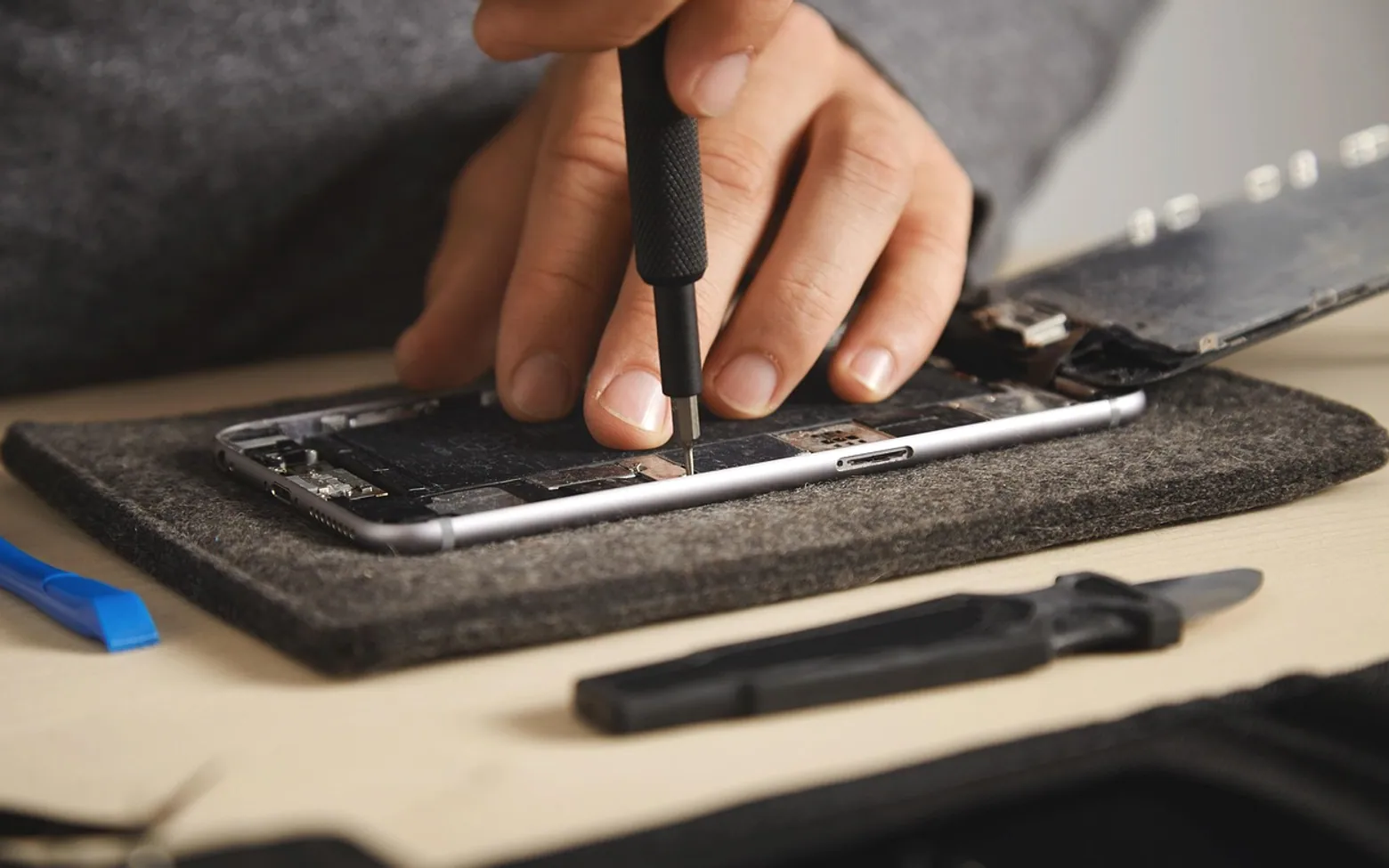 iPhoneThe Rising Popularity of Third-Party iPhone Repair Services2 min
 InvestingFirst Charge vs Second Charge Bridging Loans: What’s the Difference?2 min
 HouseA Guide to Navigating Singapore's New Real Estate Scene: Spotlight on The Myst2 min
Keep reading Business
- 072How to Start a Small Business With No Money
- 040How a Skilled Videographer Can Bring Lasting Benefits to Your Brand
- 039Challenges Facing IPTV Providers in the UK: Piracy, Competition, and Technology
- 033Securing Your Cat’s Future: The Importance of Pet Insurance in Singapore
- 029Enhancing AI Responsiveness: The Role of Language Models and Retrieval Systems