Home05 Marketing & StuffNo. 027
The Role of AI in Driving Environmental Conservation and Sustainability
From camera-trap image sorting to smarter grids and precision farming, a look at where AI is helping conservation work and where people remain essential.

Conservation has always been limited by attention. There are only so many rangers, field researchers and analysts, and the areas they watch are vast. Artificial intelligence does not replace those people, but it can sift through the mountains of data they collect and point them to what matters. That shift, from collecting information to acting on it quickly, is where AI is making its most useful contribution to environmental work.
Watching wildlife at scale
Camera traps and acoustic sensors produce huge volumes of images and recordings, most of which show nothing at all. Machine-learning models can filter empty frames, recognise species and flag unusual activity, leaving researchers to review the interesting material. The same approach helps estimate how populations change over time and, in some reserves, highlights patterns that may point to poaching so patrols can be planned more effectively.
Keeping an eye on forests
Satellite imagery covers forests regularly, but reading it by hand is slow. Algorithms trained to spot changes in canopy cover can alert authorities to clearings soon after they appear. Directories such as aiforeveryone make tools in this field easier to find, gathering AI resources that organisations can explore when they want to monitor land use, assess deforestation risk or plan restoration. That accessibility matters for smaller groups without in-house data teams.
Forestry companies and park managers also use similar models to track tree health and catch outbreaks of pests or disease early.
Farming with fewer inputs
Agriculture uses a large share of the world's fresh water and much of its land. Precision farming combines sensor data, weather forecasts and imagery so farmers can water, fertilise and spray only where crops need it. The result can be lower costs and less runoff, although the benefits depend on the farm, the crop and how well the system is set up.
Energy, transport and water
- Grids: forecasting demand and renewable output helps operators balance supply with less reliance on backup generation.
- Buildings: smart controls learn occupancy patterns and adjust heating, cooling and lighting.
- Logistics: route planning reduces empty runs and idle time for delivery fleets.
- Public transport: better timetabling and travel apps make shared options more convenient.
Rivers, reservoirs and oceans
Models that combine rainfall data, reservoir levels and usage patterns help utilities prepare for droughts and floods. On coasts and rivers, image recognition is used to map plastic accumulations and guide clean-up crews, while sensors track pollution so sources can be traced.
The limits worth remembering
AI has its own footprint. Training and running large models consumes electricity and water, so the benefit of each application should outweigh its cost. Data gaps can also bias results, for example when species or regions are poorly represented in training sets. And no algorithm can enforce a law, fund a reserve or persuade a community; those remain human tasks.
Used thoughtfully, AI is best seen as a lens that helps people see environmental problems sooner and respond more precisely. The real progress still comes from the scientists, policymakers, farmers and local communities who decide what to do with what the lens reveals.
Good places to start
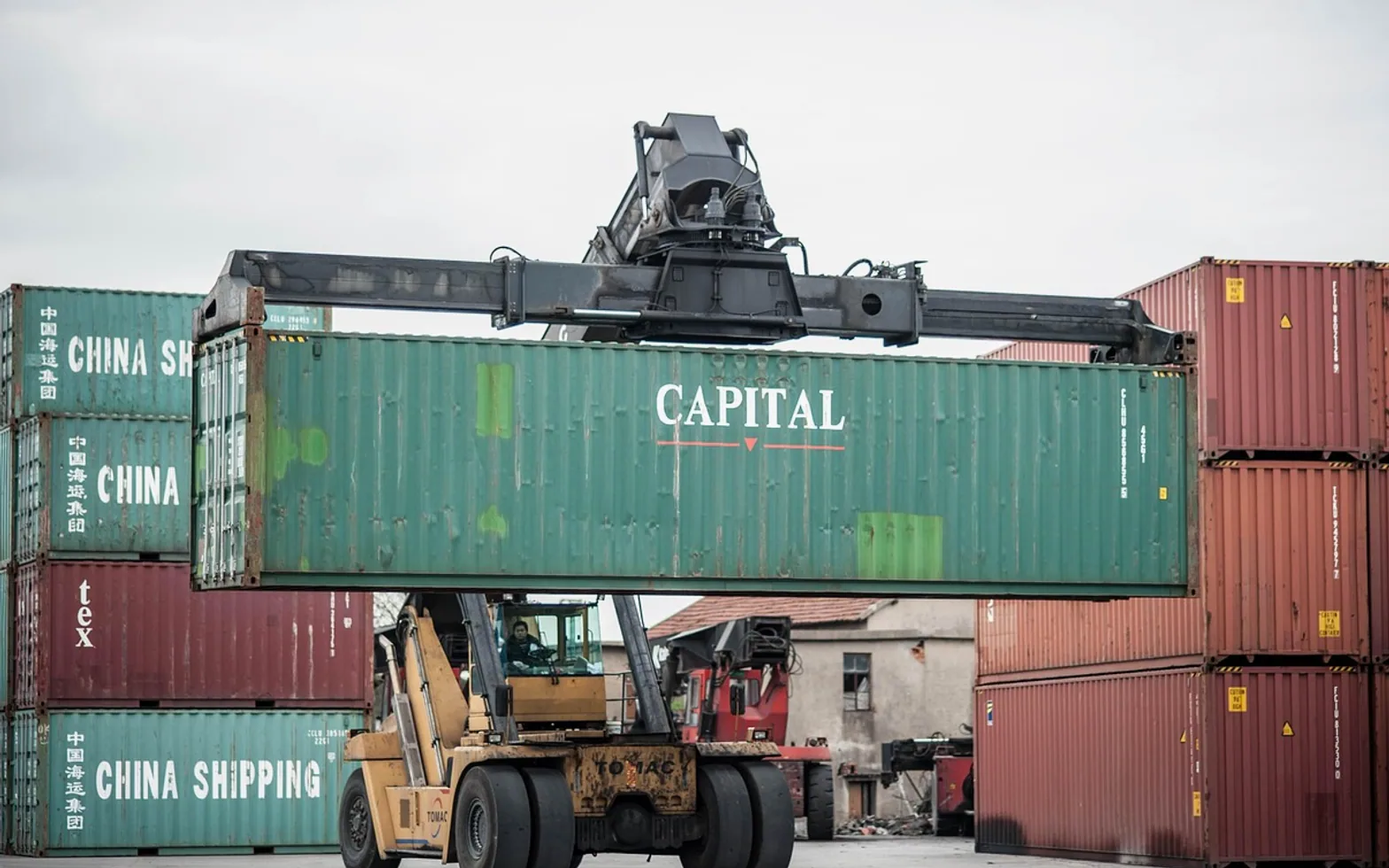 BusinessMaking the Most of Your Space: Strategies for Efficient Use of Waste Containers2 min
 iPhoneThe Rising Popularity of Third-Party iPhone Repair Services2 min
 InvestingFirst Charge vs Second Charge Bridging Loans: What’s the Difference?2 min
 ApplicationsMastering Visual Storytelling with Cinepunch Video Creation Suite2 min
Keep reading Marketing & Stuff
- 069Static vs Dynamic QR Codes: Which One Should You Print?
- 054Fixing Visibility: How SEO Services Help Appliance Repair Businesses Grow
- 031How a Skilled Videographer Can Bring Lasting Benefits to Your Brand
- 026Maximizing ROI: Picking the Perfect Software for Business Growth
- 007The Strategic Guide to Choosing the Perfect Online Marketing Agency